

Awakening Divine Energy...
Awakening Divine Energy...
The authentic Tantrokta step-by-step procedure for worshipping Maa Pitambara. From Sankalp to Aarti, learn the precise rituals to manifest her absolute protective energy.
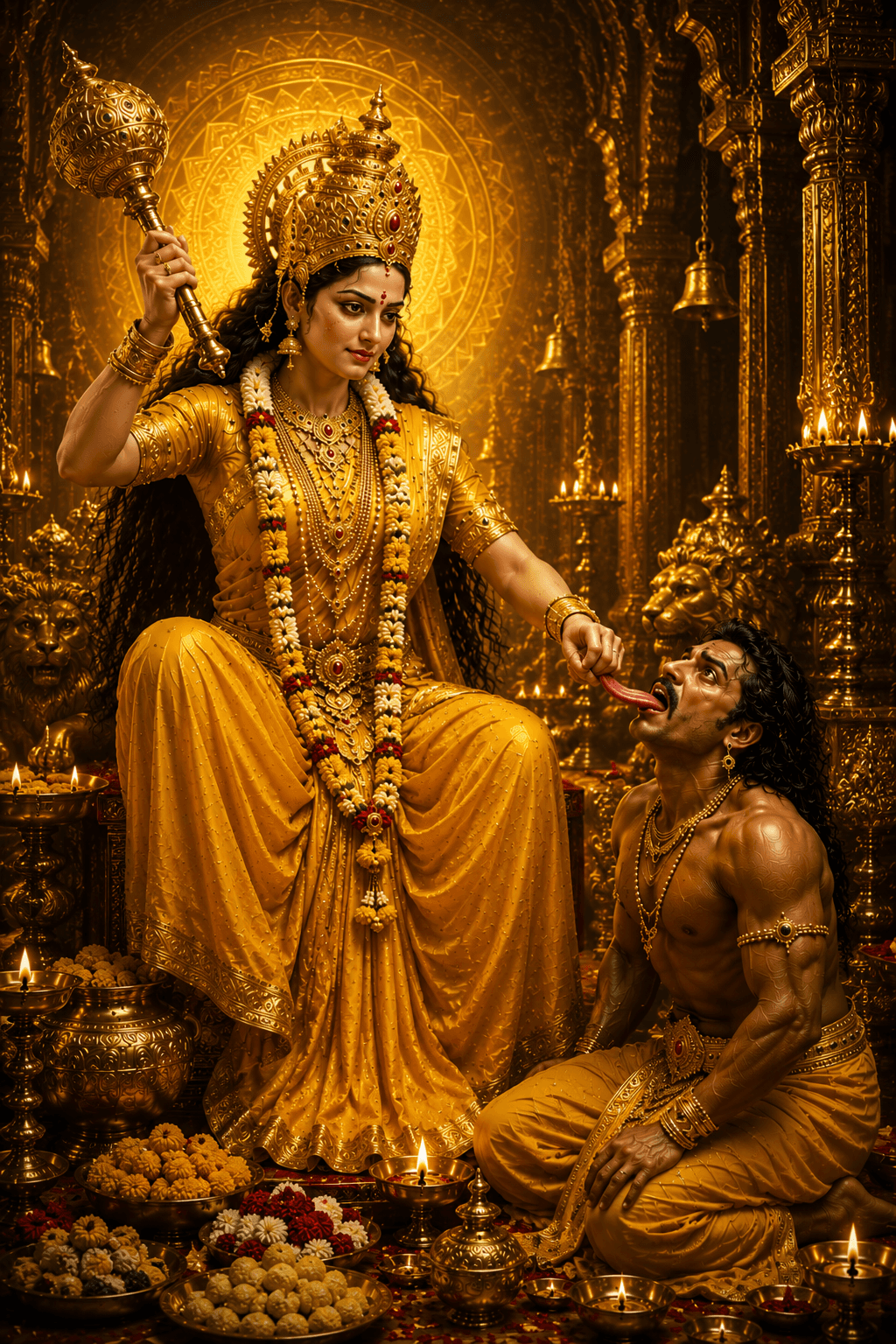
The Baglamukhi Puja Vidhi originates from the ancient Tantrokta traditions preserved at Nalkheda Siddha Peeth. Maa Baglamukhi, the 8th Das Mahavidya, represents the supreme Stambhan Shakti — the divine power to paralyze enemies, negative forces, and all obstacles.
This 8-step procedure was codified by generations of Nalkheda priests to make Tantrokta worship accessible to sincere devotees while maintaining the ritual's potency. Each step is designed to progressively build divine energy from preparation to surrender.
Nyasa (body purification) is the most critical step that protects the practitioner from the intense heat of Beej Mantras. Without proper Nyasa, the mantra energy can create imbalances in the body's subtle channels.
In today's world of legal complexities, professional competition, and mental stress, Maa Baglamukhi's Puja Vidhi offers a time-tested method to invoke divine protection and victory over all adversities.
As you perform Nyasa, Maa Baglamukhi's protective energy begins to envelop you, creating an impenetrable spiritual shield.
During Dhyana and Mantra Japa, Mother Pitambara's presence becomes tangible. You feel Her guiding every gesture and syllable.
The Aarti and Ksamaprarthana bring the puja to a graceful close, leaving you in a state of divine grace and inner peace.
Disclaimer: This guide outlines the traditional Vidhi. However, fierce (Ugra) Mahavidya sadhanas should not be undertaken lightly by beginners. For severe problems like court cases or extreme enmity, it is strongly advised to book an Anushthan performed by initiated Acharyas at the Nalkheda Siddha Peeth.
Maa Baglamukhi demands strict physical and mental purity. Before starting the puja:
Bathe and wear entirely yellow clothes. Do not wear stitched clothes if possible (a dhoti/sari is ideal).
Choose an isolated, clean room. Face East for spiritual growth, or North for victory and wealth.
Ensure complete celibacy (Brahmacharya) and a strict vegetarian, onion/garlic-free diet.
Gather these items before beginning the puja. All items should be fresh and pure.
Yellow items (Pitambara) are mandatory for Maa Baglamukhi. Yellow mustard seeds (Peeli Sarson), turmeric (Haldi), and yellow flowers should be abundant.
Without Sankalp, the energy of the puja dissipates. Take water, yellow rice, a yellow flower, and a coin in your right palm.
State your Name, Gotra (lineage), time, location, and the specific reason for the puja (e.g., "To paralyze the negative actions of [Enemy's Name] and achieve victory in [Case Name]"). Drop the water on the ground.
"Om Gram Greem Graum Sah Baglamukhyai Svaha" — The main Sankalp mantra for Baglamukhi Puja.
Nyasa involves touching various body parts with specific mantras to lock the divine energy inside you before chanting.
Common Nyasas include Kara Nyasa (purifying the hands) and Anga Nyasa (purifying the limbs and heart). This step is crucial for protection against the mantra's intense heat.
Important: Never skip Nyasa in Tantrokta puja. It is your spiritual armor against the powerful mantra vibrations.
Close your eyes and visualize the Goddess exactly as described in the scriptures:
"Seated on a golden throne, bathed in a yellow glow. With her left hand, she pulls the tongue of the enemy, and with her right hand, she raises a golden club to strike them."
Hold this visualization for at least 5 minutes before proceeding to the Panchopachara Puja.
Offer five specific items to the Yantra or idol while chanting the basic mantra (Om Baglamukhyai Namah):
Using a Haldi mala, begin chanting the Beej Mantra or the 36-letter Brahmastra Mantra. The mala must be kept hidden inside a Gaumukhi (mala bag).
Primary Beej Mantra:
"Om Hleem Baglamukhyai Swaha"
Stambhan Mantra:
"Om Sarva Dushtanam Vacham Mukham Padam Stambhaya Jihvam Keelaya Buddhim Vinashaya Hleem Om Swaha"
Maintain an unbroken rhythm. If you took a Sankalp for 11 malas, do not get up or speak until all 11 are completed.
Conclude the puja by lighting camphor (Kapur) and singing the Baglamukhi Aarti.
Finally, recite the Ksamaprarthana (Forgiveness Prayer):
"O Mother, I do not know the exact mantras, yantras, or procedures. Whatever I have done out of devotion, please accept it and forgive my mistakes."
Sankalp Mantra
The Sankalp establishes your intention and creates a spiritual contract with Maa Baglamukhi.
MeaningHolding water, rice, flower, and coin in your right palm while stating your purpose creates a powerful energetic commitment that the Goddess acknowledges.
ApplicationWrite your Sankalp on a paper and keep it near the Yantra during the entire puja for amplified effect.
TraditionIn Nalkheda, the Sankalp is always taken while sitting on the sacred Asana facing East.
Nyasa Procedure
Nyasa purifies each part of the body by touching it with the specific mantra vibration.
MeaningEach body part becomes consecrated and ready to hold the divine energy. Without Nyasa, the intense mantra energy can overwhelm unprepared energy channels.
ApplicationPractice the basic Kara Nyasa (hand purification) daily even outside of puja to build spiritual sensitivity.
TraditionThe Nalkheda tradition uses 32 specific Nyasa points for complete body consecration.
Dhyana Visualization
The Dhyana verse creates a precise mental image of Maa Baglamukhi for deep meditation.
MeaningVisualization is not just imagination — it is a precise spiritual technology. The more detailed your visualization, the stronger the divine connection.
ApplicationMeditate on Maa Baglamukhi's form for 5-10 minutes daily, even outside formal puja, to build your dhyana power.
TraditionThe golden club (Gada) in Her right hand represents Her power to destroy obstacles. The tongue in Her left hand represents Her power to silence enemies.
The transformative blessings from the authentic Tantrokta puja procedure
The correct puja vidhi activates Maa Baglamukhi's Stambhan Shakti — the divine power to freeze and paralyze all negative forces working against you.
Proper Nyasa and Mantra Japa align your spiritual energy with divine justice, ensuring truth prevails in court cases and disputes.
The Tantrokta rituals specifically designed to detect, neutralize, and reverse the effects of black magic and negative spells.
The Panchopachara offerings and Aarti fill the environment with divine vibrations that instantly calm anxiety and instill Abhaya (fearlessness).
Yellow offerings and devotion attract Lakshmi's blessings alongside Maa Baglamukhi's protection — a rare combination for dual prosperity.
Performing puja with family members creates a collective protective shield around the entire household for generations.
Regular puja activates the Manipura Chakra (solar plexus), boosting personal willpower, speech power, and leadership qualities.
Following the authentic Vidhi from Nalkheda tradition establishes a subtle connection with the Siddha Peeth and its lineage of masters.
This sacred vidhi blesses devotees from all walks of life
Lawyers and individuals facing court cases who need divine intervention and victory.
Entrepreneurs facing hostile competition, enemies, or professional obstacles.
Sadhaks performing Anushthan who need the correct vidhi for maximum results.
Families seeking collective protection, harmony, and prosperity through group puja.
Students preparing for competitive exams needing mental clarity and focus.
Anyone seeking Maa Baglamukhi's blessings for protection, peace, and spiritual growth.
These are traditional guidelines rooted in centuries of temple practice. Approach with respect and awareness.
Traditional guidance advises against physical touch of Yantras and idols. Mental recitation (Manasik Japa) is perfectly acceptable.
If consumed by anger, revenge, or ego, postpone recitation until you can approach with a sincere and humble heart.
Never recite after consuming alcohol, tobacco, or intoxicating substances. The mind must be clear and aware.
Always face East or North. Facing South during sacred recitation is traditionally discouraged.
Follow these 8 sacred steps for maximum spiritual benefit
Take a bath and wear entirely yellow clothes. Choose an isolated, clean room. Face East for spiritual growth, or North for victory.
Thursday morning during Brahma Muhurta (4:00-6:00 AM) is most auspicious.
Place Yantra or photo of Maa Baglamukhi at eye level. Arrange yellow flowers, turmeric, sweets, and ghee lamp.
Use only pure desi ghee in the lamp for maximum spiritual benefit.
Hold water in your right palm with yellow rice, flower, and a coin. State your name, gotra, location, and specific purpose. Drop water on the ground.
Be specific in your Sankalp — clarity attracts divine grace.
Touch various body parts with specific mantras to lock divine energy inside you before chanting. Kara Nyasa for hands, Anga Nyasa for limbs.
This step is crucial for protection against the mantra's intense energy.
Close eyes and visualize the Goddess seated on a golden throne, yellow glow, left hand pulling enemy's tongue, right hand with golden club.
Visualize every detail described in the scriptures for maximum effect.
Offer five items while chanting: Gandham (sandalwood), Pushpam (yellow flowers), Dhupam (incense), Deepam (ghee lamp), Naivedyam (yellow sweets).
Offer each item with full devotion and the specific mantra.
Using a Haldi mala, chant the Beej Mantra or 36-letter Brahmastra Mantra. Keep the mala hidden in a Gaumukhi bag.
If you took a Sankalp for 11 malas, complete all without getting up.
Light camphor and sing Baglamukhi Aarti. End with Ksamaprarthana: 'O Mother, I do not know exact mantras. Please accept my devotion and forgive my mistakes.'
The Ksamaprarthana is mandatory — it protects against any inadvertent mistakes.
Clean, quiet room for puja
Free from distractions and negative energy
Entirely yellow clothes
Preferably cotton, washed and clean
Baglamukhi Yantra or picture
Energized Yantra on copper or gold preferred
Yellow Asana (sitting mat)
Woolen or silk, dedicated to the puja
Haldi Mala (108 beads)
Made from turmeric root, consecrated if possible
Ghee lamp with 5 wicks
Must be lit before starting the puja
108+ yellow flowers
Fresh marigold, champa, or kaner
Yellow sweets (Bhog)
Besan ladoo, boondi, or yellow fruits
Correct pronunciation knowledge
Listen to authentic recordings if unsure
Pure mind and heart
Sincere devotion matters more than perfect recitation
Without Sankalp, the puja energy lacks direction. Always set your clear intention before beginning any ritual.
Incorrect pronunciation can change the meaning and reduce the mantra's power. Listen to authentic recordings from Nalkheda priests.
Nyasa protects you from the intense heat of Tantric mantras. Never skip this purification step.
Mechanical chanting limits spiritual benefit. Always engage your heart and emotions along with the words.
The forgiveness prayer at the end is mandatory. It protects against any inadvertent mistakes made during the puja.
Face East or North. Facing South during sacred puja is traditionally discouraged and reduces effectiveness.
Authentic guidance directly from Acharya Chetan Tiwari Ji & Nalkheda Siddha Peeth tradition.
A basic devotional puja (offering incense, lamp, and reading the Chalisa) can be done at home. However, Tantrokta Anushthan involving Beej Mantra Japa and Havan must only be done under a Guru's guidance or at a Siddha Peeth like Nalkheda.
Rooted in classical Tantric texts and the living oral tradition of Nalkheda Siddha Peeth, these references span centuries of authentic spiritual scholarship.
The primary Tantric text prescribing the step-by-step procedure for Maa Baglamukhi Puja, including Nyasa, Mantra Japa, and Aarti.
Baglamukhi Tantra, Chapter 2-4Over 500 years of preserved ritual procedure at Nalkheda. The exact Nyasa sequences and mantra formulations used today.
Nalkheda Temple, Oral TraditionDescribes Maa Baglamukhi as the 8th Mahavidya and provides the foundational mythology behind her worship.
Markandeya Purana, DevimahatmyaDetailed instructions for Kara Nyasa and Anga Nyasa, essential for protecting the practitioner during Mantra Japa.
Tantric Texts, AgamasHead Priest, Nalkheda Siddha Peeth
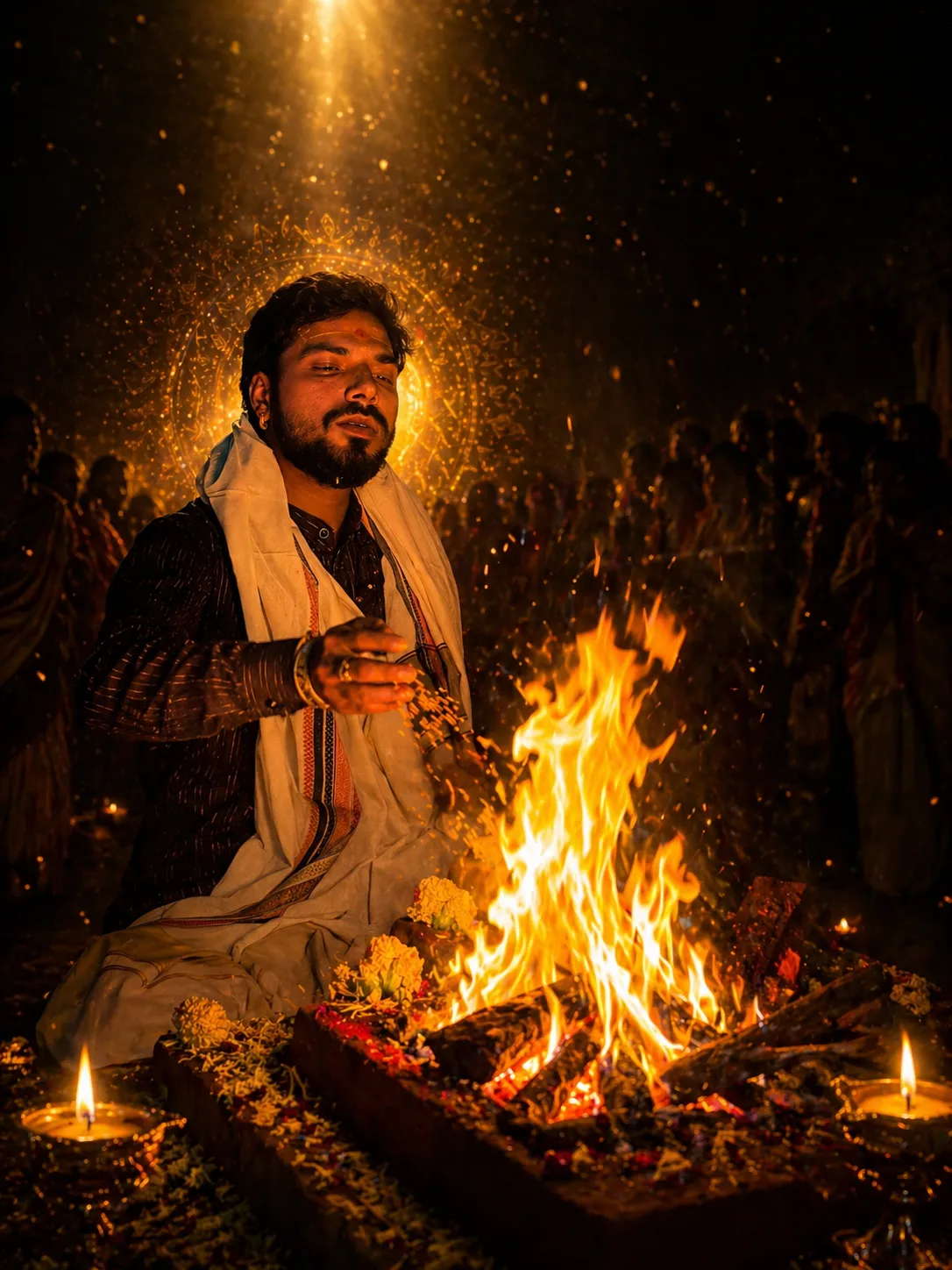
Acharya Pandit Chetan Tiwari Ji is the Head Priest and Spiritual Head of Nalkheda Siddha Peeth, one of the most revered Shakti Peethas dedicated to Maa Baglamukhi. Born into a traditional Brahmin family with a lineage spanning over 15 generations of priests, Acharya Ji has dedicated his life to preserving and propagating the authentic Vedic and Tantric traditions.
With over 25 years of deep Sadhana and scriptural study, Acharya Ji has performed thousands of Hawans, Pujas, and Anushthans for devotees worldwide. His precise recitation of the Baglamukhi Chalisa, Kavach, and Stotram carries the vibrational power of centuries of temple tradition.
Under his guidance, Nalkheda Siddha Peeth has become a beacon of authentic spiritual practice, attracting devotees from across the globe seeking Maa Baglamukhi's blessings for protection, legal victory, and spiritual growth.
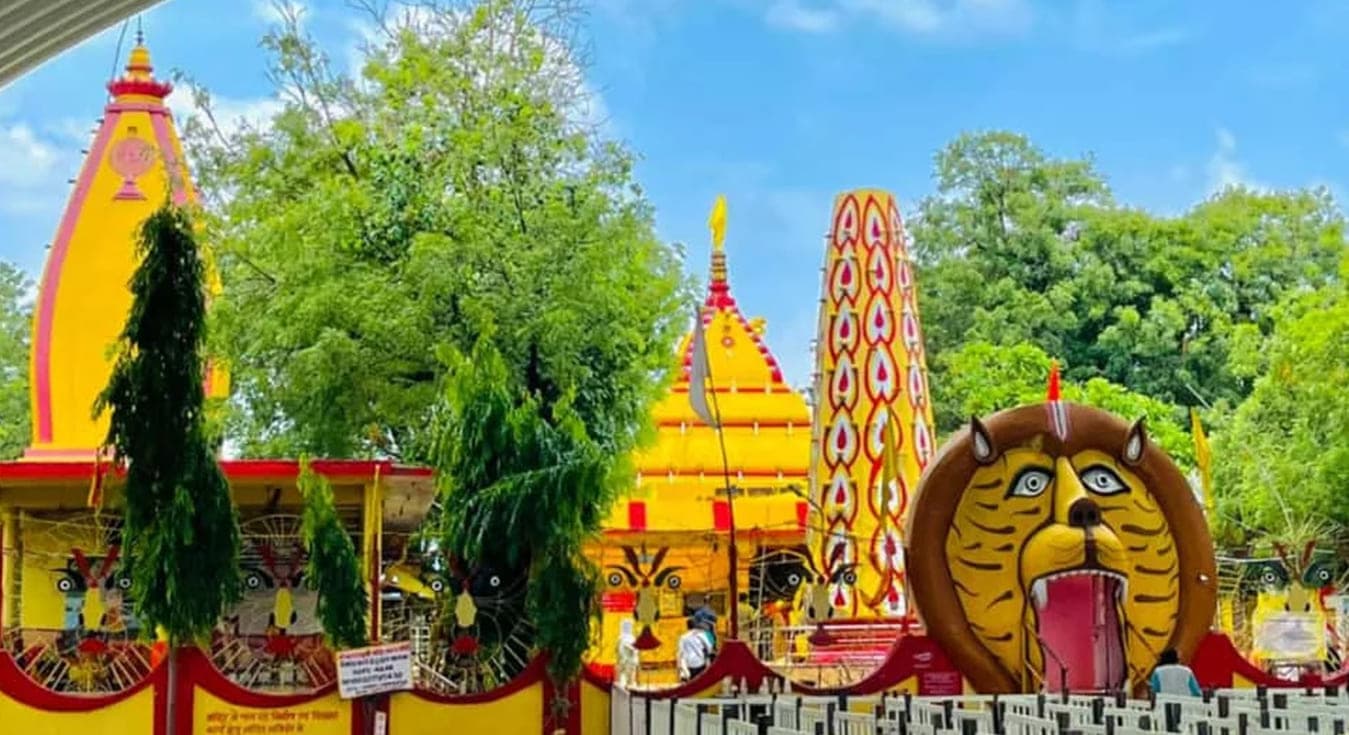
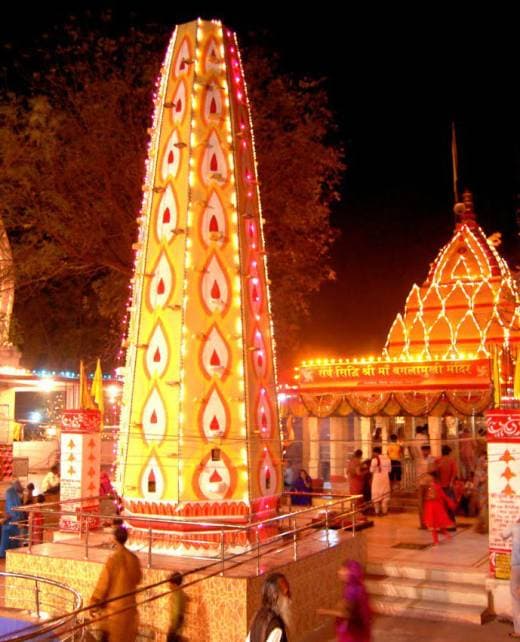
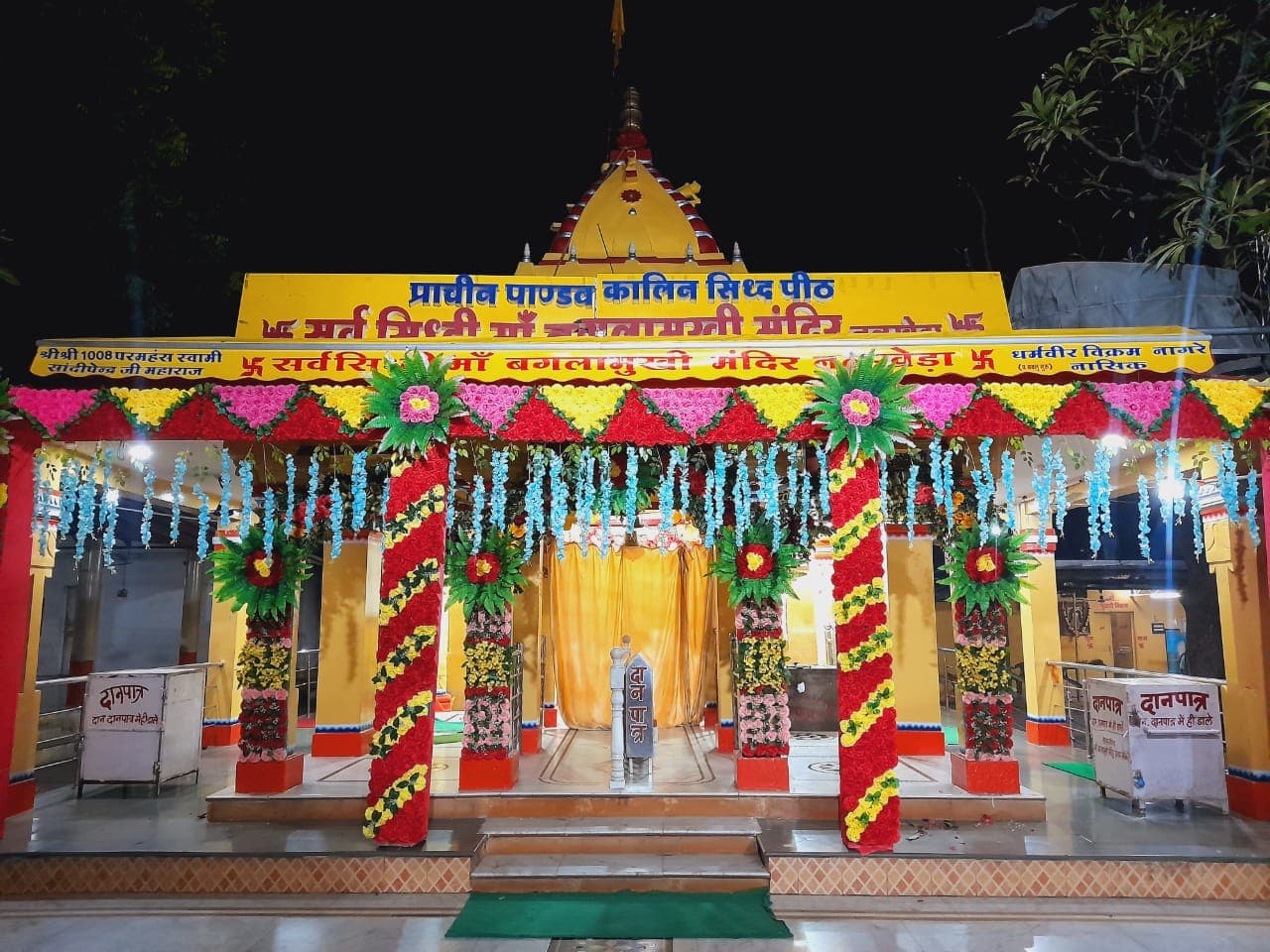
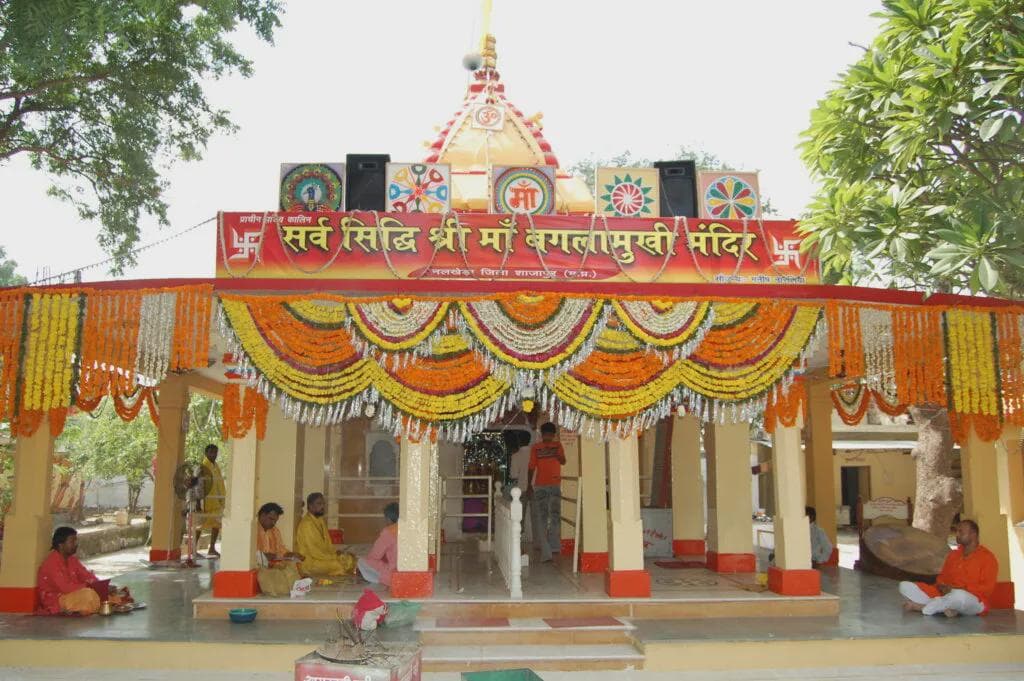
Authentic captures from Nalkheda Siddha Peeth • Click any image for full darshan
Experience the transformative power of Maa Baglamukhi's grace. Book a personalized puja or Hawan ceremony conducted by Acharya Pandit Chetan Tiwari Ji at the sacred Nalkheda Siddha Peeth.