

Awakening Divine Energy...
Awakening Divine Energy...
On the fifth day of Shardiya Navratri 2026 (Panchami), devotees worship Maa Skandamata—the loving mother of Lord Kartikeya (Skanda) who embodies boundless maternal grace, fierce protection, and spiritual illumination.
Book Maa Skandamata Panchami Puja & Santan Gopal Havan with individual Name & Gotra Sankalp at Nalkheda Siddhapeeth under Acharya Tiwari Chetan Guru.
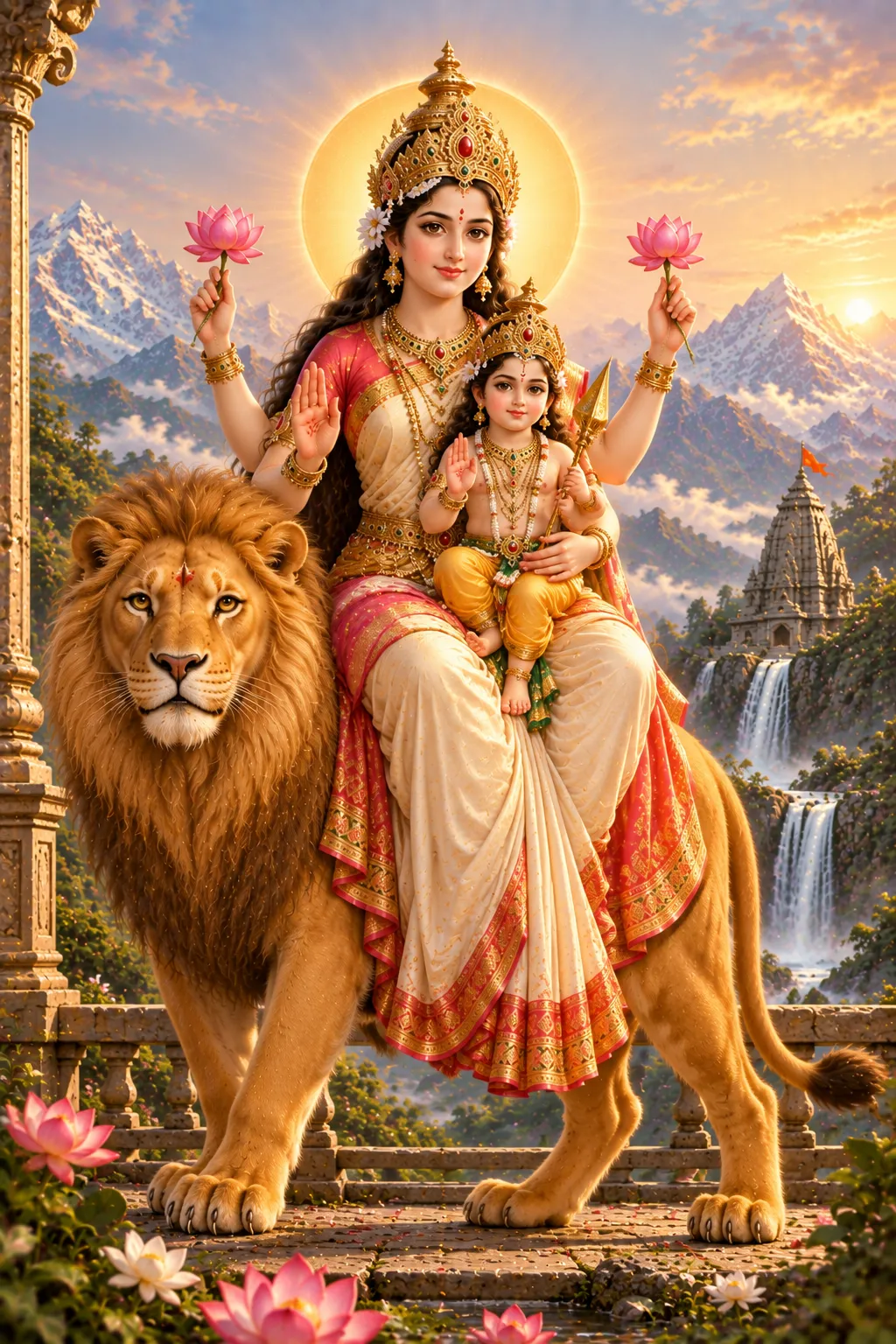
On the fifth day of Shardiya Navratri 2026 (Panchami), devotees worship Maa Skandamata—the loving mother of Lord Kartikeya (Skanda) who embodies boundless maternal grace, fierce protection, and spiritual illumination.
Book Maa Skandamata Panchami Puja & Santan Gopal Havan with individual Name & Gotra Sankalp at Nalkheda Siddhapeeth under Acharya Tiwari Chetan Guru.
On Day 5 (Panchami), the auspicious presence of Maa Skandamata illuminates the temple sanctum. Devotees across the world connect their prayers through sacred Vedic chanting, traditional oblations, and pure devotion.
Whether you are observing a strict fast at home or participating remotely through personalized Sankalp at Nalkheda Siddhapeeth, invoking Maa Skandamata on Thursday, 15 October 2026 welcomes peace, spiritual grounding, and divine protection into your family.
Maa Skandamata sits serenely upon a blossoming lotus, tenderly cradling child Skanda in Her lap while mounted on a fierce golden lion. Her aradhana purifies the Vishuddha Chakra, blessing households with child protection, progeny, family warmth, sweet truthful speech, and freedom from lingering sorrow.
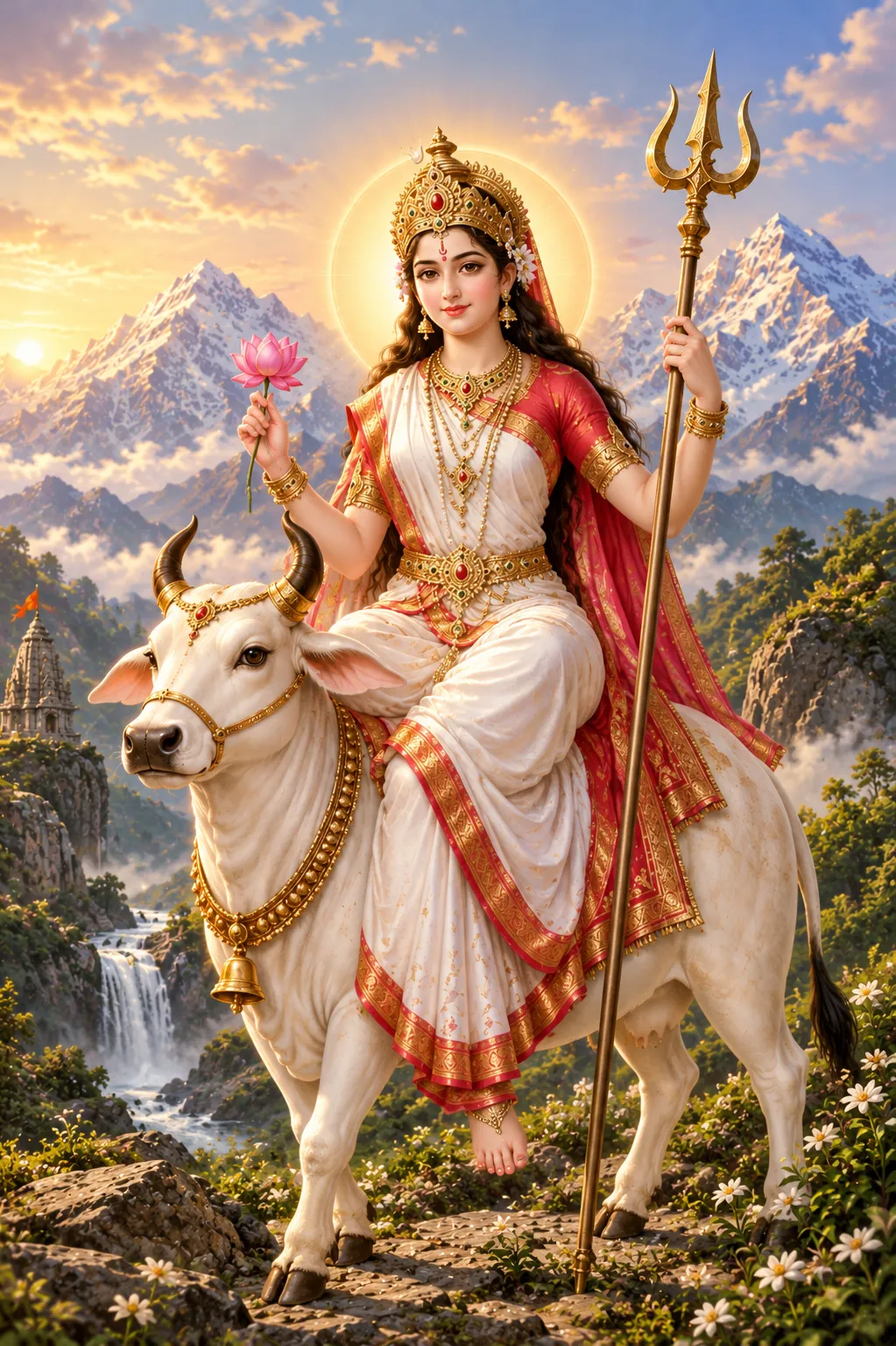
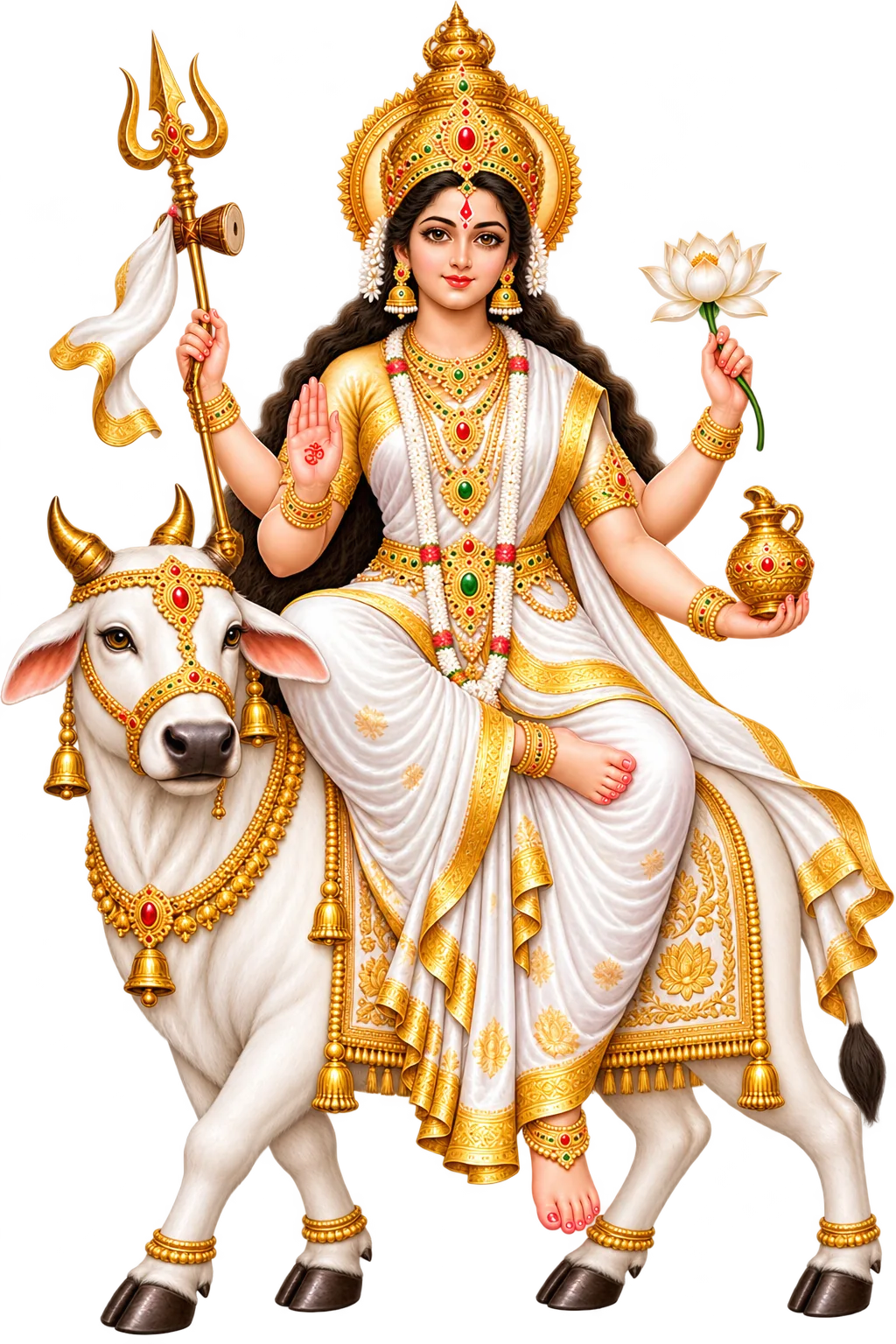
“Shail” means mountain and “Putri” means daughter. Shailputri means the daughter of the mountains.
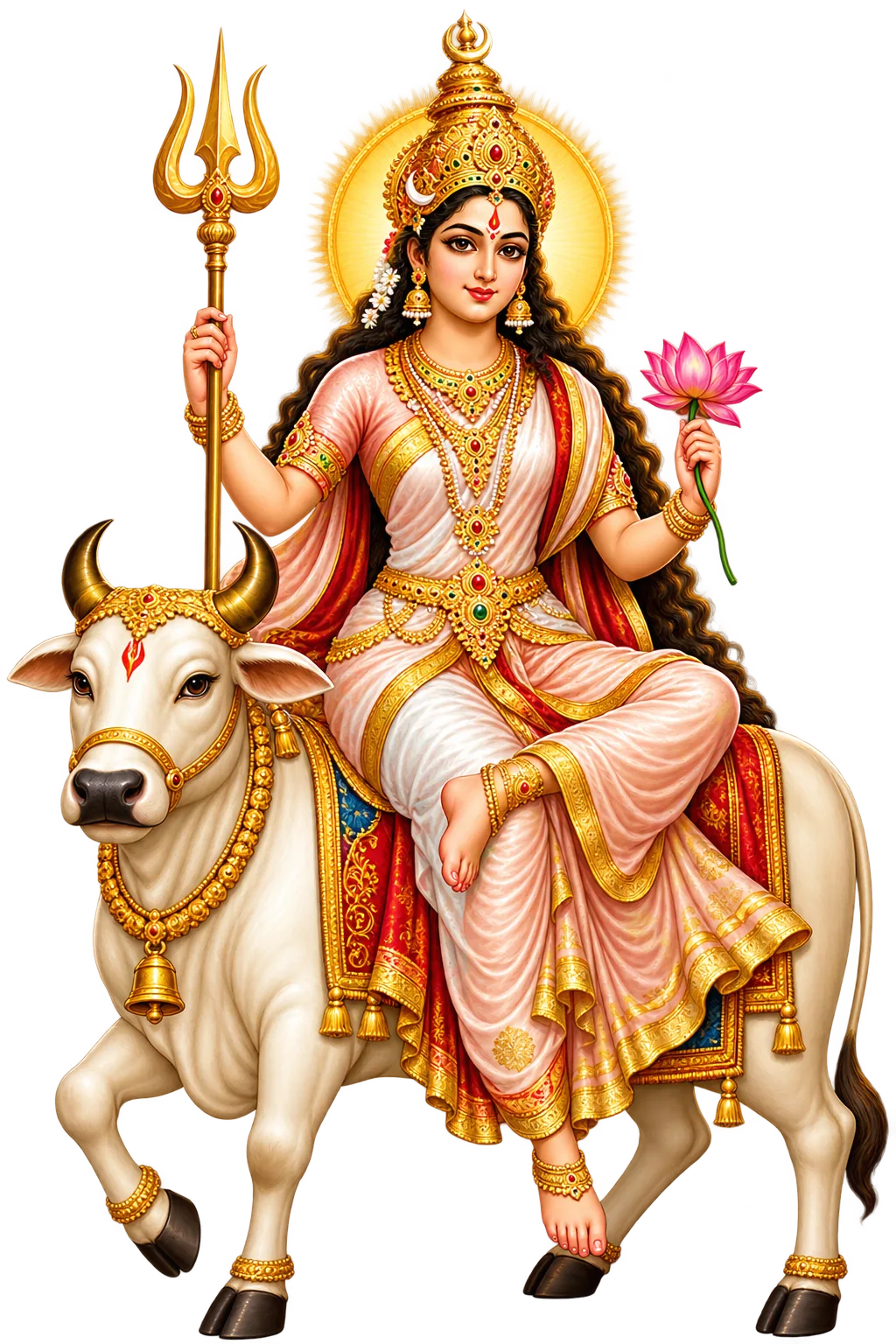
Maa Shailputri has two arms. She holds a Trishul in her right hand and a lotus in her left. Her vehicle is Nandi (bull).
Maa Shailputri is the daughter of Himalaya King Himavan and Queen Mena.
She is the first incarnation of Goddess Parvati, who later performed severe penance to unite with Lord Shiva.
She is the first form of Navadurga and is worshipped on the Pratipada of Navratri.
Worshipping Maa Shailputri on the first day brings stability, inner strength, courage and spiritual grounding.
“प्रथमं शैलपुत्री च द्वितीयं ब्रह्मचारिणी । तृतीयं चन्द्रघण्टा च चतुर्थं कूष्माण्डा ॥”
Experience the divine presence of Maa Skandamata on this sacred fifth day of Shardiya Navratri with authentic Vedic rituals and personalized Gotra Sankalp at Nalkheda Peeth.
Sankalp performed exclusively with your Name & Gotra directly in front of the sanctum sanctorum at Nalkheda.
Choose your puja and receive Maa Skandamata's divine blessings on this first day of Navratri with personalized Vedic Sankalp.
Special Puja dedicated to Maa Skandamata
Sacred fire ritual for peace & victory
Special Sankalp for you and your family
Experience the sacred grace of Maa Skandamata on Day 5. Choose the puja package that aligns with your family's spiritual sankalp and intentions.
Maa Skandamata, the fifth form of navadurga, is the embodiment of purity, strength and divine will. Worshipping her on Day 5 of Shardiya Navratri helps devotees align with their inner power and begin sadhana with complete faith.
Maa Skandamata holds Lord Skanda, showering maternal affection and protection.
Nurtures spiritual aspirants and protects children from all harm.
Grants victory in noble endeavors, education, and family prosperity.
Purifies the heart and bestows salvation and spiritual liberation.
Gives courage to overcome family obstacles and maintain household peace.
Awakens divine intelligence, guiding devotees toward righteous choices.
Maa Skandamata is the first form of navadurga and the supreme embodiment of strength, purity and divine energy. Anyone who approaches with sincere faith and devotion can seek Her blessings.
Start this Navratri with a pure heart and seek Maa's guidance for auspicious new beginnings in your life.
Pray for the happiness, good health and harmony of your loved ones. Maa's blessings nurture and protect every family.
Seek Maa's divine energy to overcome challenges, remove fear and awaken courage, confidence and resilience within.
Invoke Maa Skandamata's blessings for mental peace, emotional balance and stability in all aspects of life.
Strengthen your spiritual journey through devotion, self-control and daily practices that bring you closer to Maa.
Offer your sincere intentions to Maa and walk the path of dharma, positivity and righteous living.
Offering with devotion pleases Maa Skandamata and invites purity, strength and positivity into your household. Offer these sacred items with a sincere, grateful heart.
Offer red flowers, especially hibiscus, jasmine or lotus. They symbolize purity, devotion and divine energy.
Offer seasonal fruits like banana, apple, pomegranate or coconut. They signify gratitude and nourishment.
Kheer (made of pure milk and rice) is especially sacred and pleasing to Maa. Offer with love and a pure heart.
Light a ghee diya to remove darkness and invite Maa's divine grace and protection.
Offer dhup to purify the environment and create a sacred, sattvik atmosphere.
Offer simple, sattvik food without onion or garlic. Naivedya is offered with gratitude and humility.
Use traditional samagri like kumkum, haldi, akshat, chandan, moli, and belpatra (if available). Each item carries spiritual value.
“Offer with a pure heart, chant Maa’s sacred name and surrender your worries at Her lotus feet.”
Pujaris invoke your Name & Gotra directly in front of the sanctum with live proof.
Celebrate Navratri at the divine abode of Maa Baglamukhi in Nalkheda, where uninterrupted devotion, ancient Tantrokta rituals and living Shakti unite.
Situated on the banks of the sacred Lakhundar river, consecrated with living Shakti since Dwapar Yuga.
Immerse in the potent resonance of Akhand Jyoti, sacred conches, and centuries of continuous Tantrokta worship.
Rigorous daily Hawans and Stotra recitations conducted with authentic Vedic mantras by Dikshit purohits.
Every ritual is dedicated by invoking your specific Gotra, Name, and prayers directly before Maa.
Ahutis of yellow mustard, dry fruits, guggul, and pure cow ghee into the sanctum hawan kund dissolve hurdles.
Receive sanctified video darshan of your completed ritual, with energised Siddhapeeth prasad delivered home.
Maa Skandamata sits serenely upon a blossoming lotus, tenderly cradling child Skanda in Her lap while mounted on a fierce golden lion. Her aradhana purifies the Vishuddha Chakra, blessing households with child protection, progeny, family warmth, sweet truthful speech, and freedom from lingering sorrow.
Approaching Maa Skandamata with childlike surrender purifies the heart and surrounds your home with lasting peace.
Emphasizes unconditional maternal care, assuring that Maa protects every sincere seeker just like Her own child.
Demonstrates pure spiritual detachment and inner peace, rising serenely above worldly turbulence.
Shows that true maternal compassion holds supreme, fearless strength capable of repelling all perils.
Her open palm promises continuous energetic shielding, dispelling fear and welcoming divine calm.
Activates the throat energy center, purifying thoughts, refining speech, and fostering creative intellectual genius.
Chant with focused devotion to invoke Maa Skandamata’s protective grace, spiritual awakening, and divine resolve.
Offer personalized Sankalp at Nalkheda Siddhapeeth for divine protection, prosperity, and peace.
भगवान स्कंद (कार्तिकेय) की माता देवी स्कंदमाता को नमन।
इस मंत्र का जप श्रद्धा और एकाग्रता के साथ करें। 108 बार कमलगट्टे या रुद्राक्ष माला पर जप विशेष फलदायी होता है।
यह मंत्र साधक को स्थिरता, धैर्य और सकारात्मक आभा प्रदान करता है तथा जीवन में मंगलमय शुरुआत सुनिश्चित करता है।
माँ Skandamata साधक को आंतरिक साहस, पवित्र विचार, दृढ़ संकल्प एवं आध्यात्मिक तेज का वरदान देती हैं।
ब्रह्ममुहूर्त अथवा गोधूलि वेला में उत्तर या पूर्व दिशा की ओर मुख कर शुद्ध घी का दीपक जलाकर जप करें।
मंत्र जप के उपरांत देवी माँ को शुद्ध नैवेद्य, ऋतु फल व गंगाजल अर्पित कर कर्पूर आरती संपन्न करें।
Follow these authentic Vedic steps with devotion to invite divine peace, positive vibrations, and spiritual upliftment into your family home.
Have Acharya Tiwari Chetan Guru chant Vedic Sankalp in your Gotra & Name at Nalkheda.
Traditional sacred checklist of essentials recommended for performing Day 5 Puja with purity and spiritual alignment.
Note:Puja Samagri may vary according to regional, family, and spiritual traditions. When having the Puja performed at Siddhapeeth Nalkheda, all pure Shastric samagri is arranged by the temple purohits.
Traditional Bhog offerings presented with pure devotion to invoke the benevolent grace of Maa Skandamata on Day 5 of Navratri.
Purohits present fresh Satvik Bhog at Maa Baglamukhi Siddhapeeth altar during your personalized Puja.
Align with cosmic planetary frequencies and the divine radiance of Maa Skandamata by adorning and offering the sacred hue.
Wearing and offering Yellow on Day 5 of Navratri is considered highly auspicious, connecting seekers with the radiant grace and vitality of Maa Skandamata.
Spiritual guidance and sacred guidelines for observing the Day 5 fast with purity of body, mind, and spirit.
On the fifth day, the sacred fast for Maa Skandamata is observed with motherly affection, seeking divine protection for the entire family, wisdom, and heartfelt fulfillment.
Dedicate your fasting with clear mental devotion, positive prayer, and selfless intent.
Consume wholesome fruits, dairy, rock salt (sendha namak), and satvik phalahar in moderation.
Devote quiet hours to steady Japa, reading Devi Mahatmya, and peaceful reflection.
Maa Baglamukhi Siddhapeeth at Nalkheda is one of the world's most revered Shakti Peethas, sanctified by ancient Vedic sadhana and continuous cosmic energy.
During Shardiya Navratri, special Vedic Havans and individualized pujas are conducted by verified Acharyas at the sacred altar to invoke Maa Skandamata's supreme grace for protection, prosperity, and peace.
Devotees living outside India can participate in sacred Navratri Puja rituals at Nalkheda Siddhapeeth. Our dedicated Acharya team coordinates time-zone specific Sankalp, digital live darshan, and international courier delivery of energized Prasad and sacred Yantras.
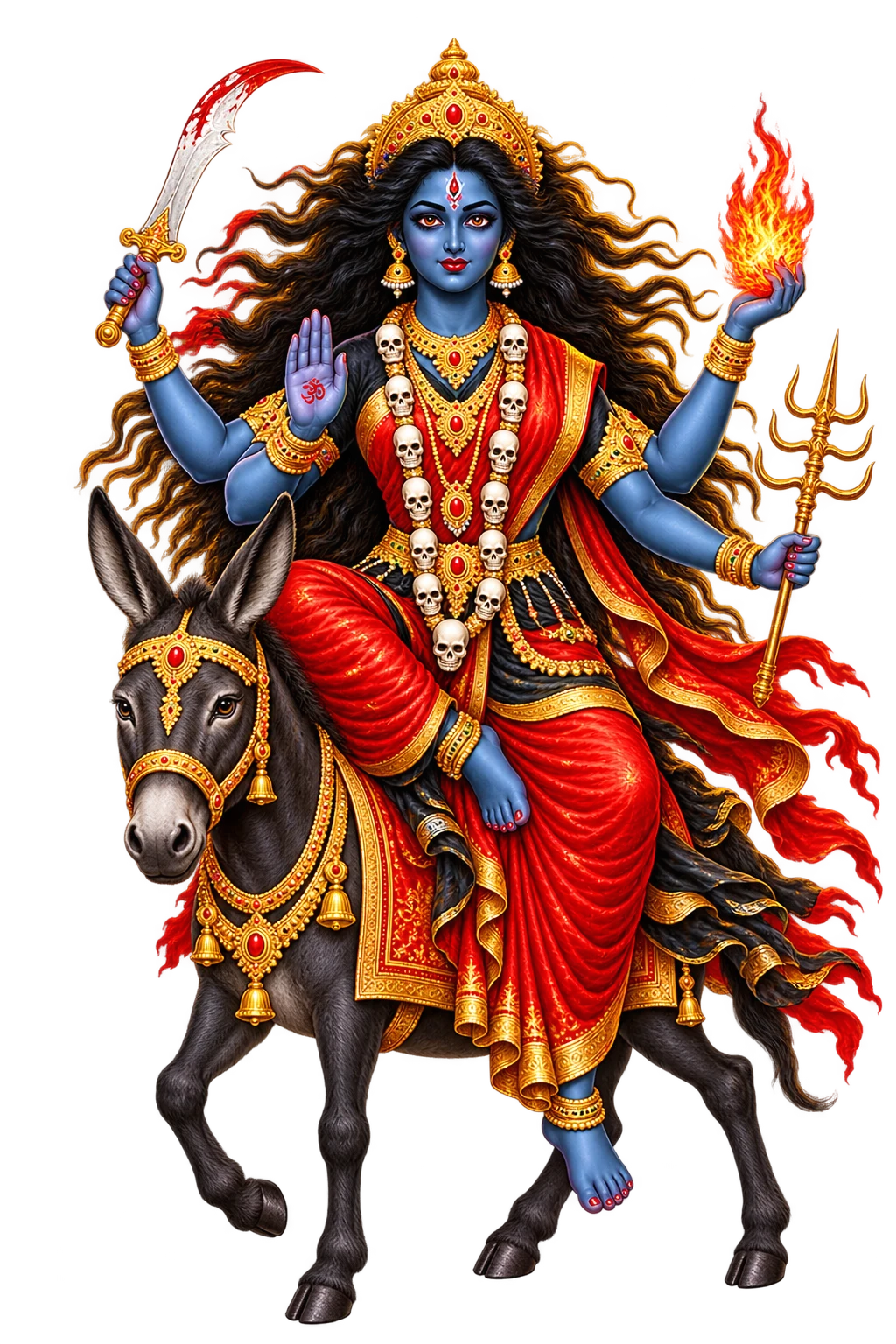
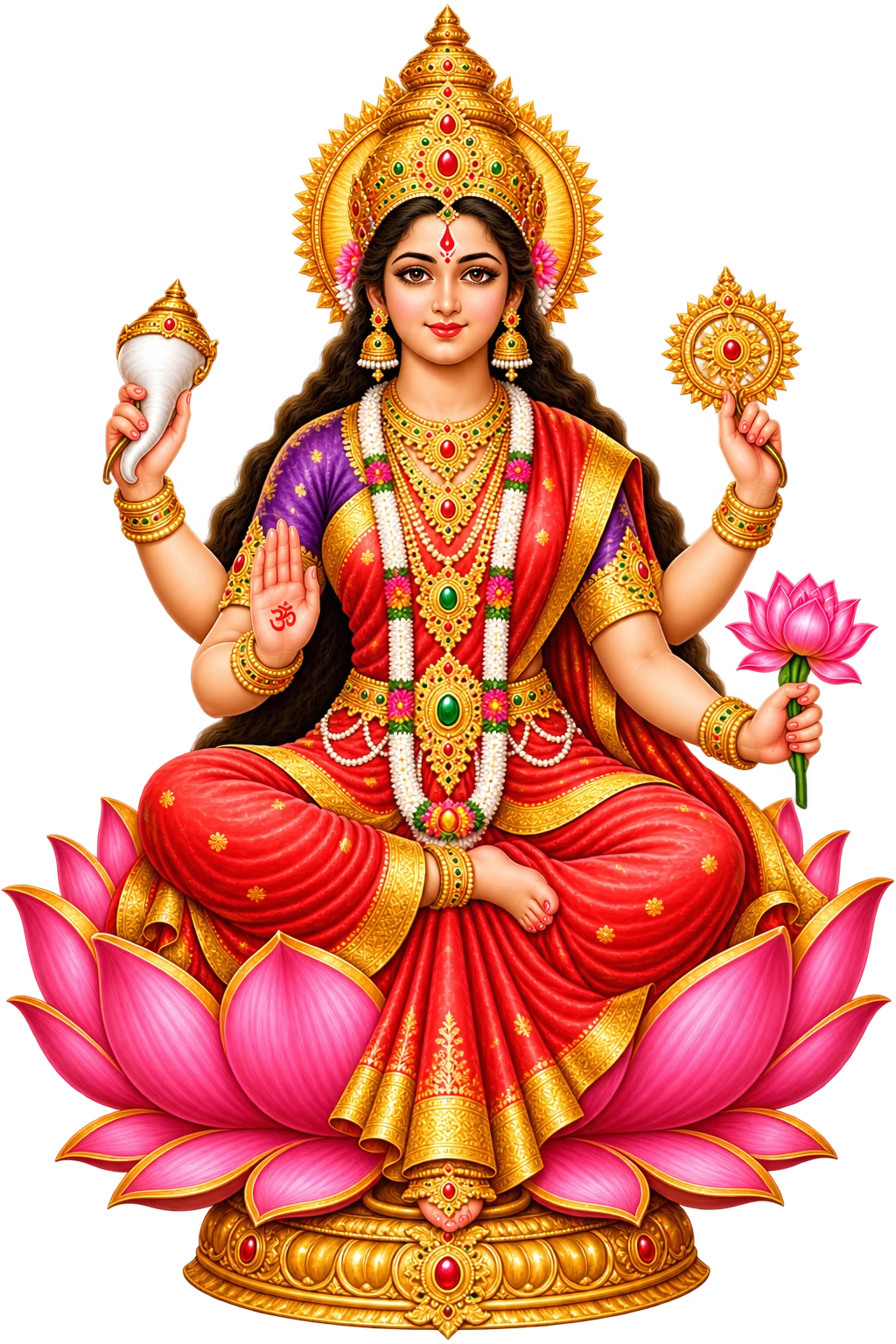
Each day is dedicated to a unique form of Maa Durga and an auspicious sacred colour. Adorn the designated colour of the day, offer reverence to each divine swaroop, and experience spiritual awakening in this sacred Navratri journey.
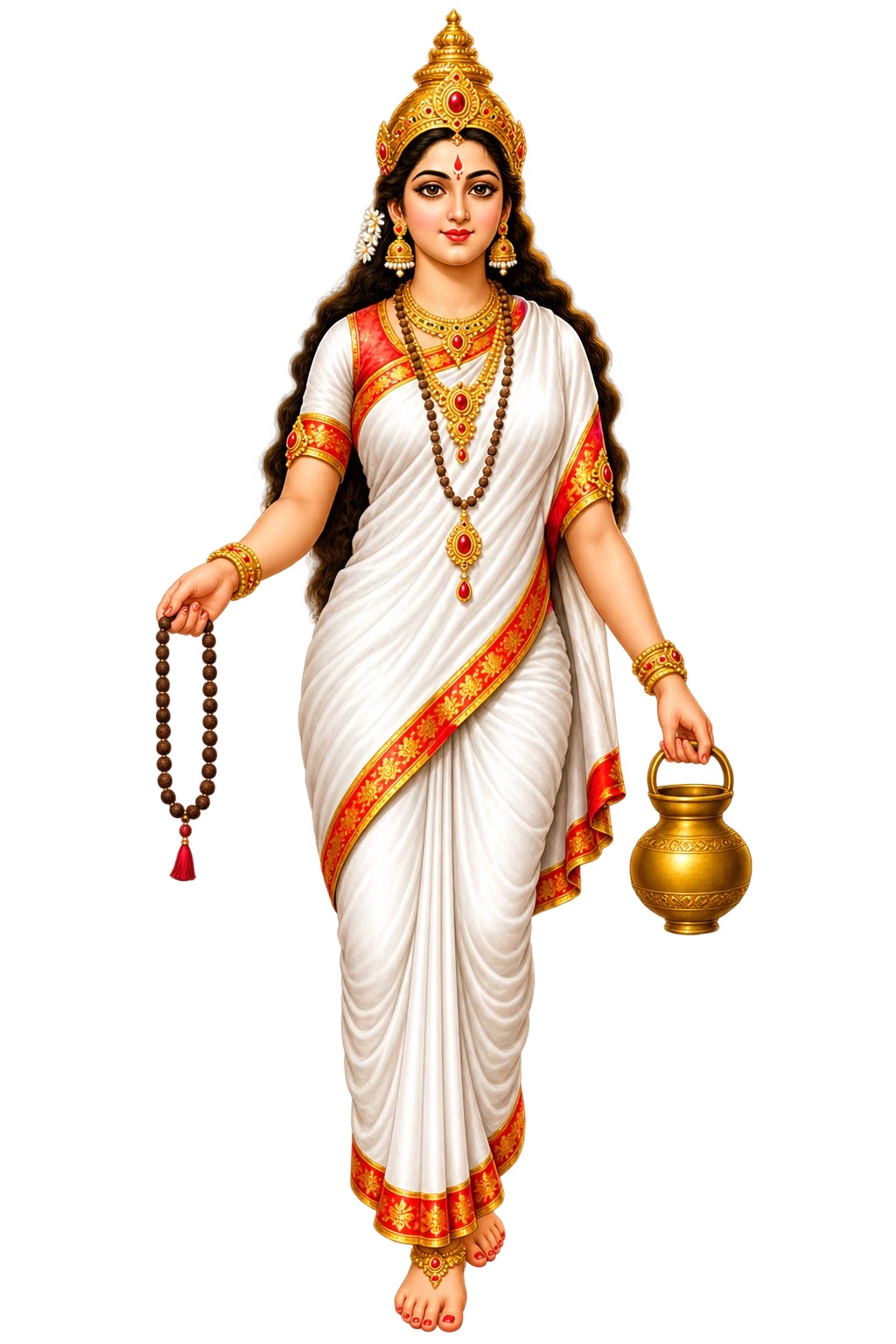
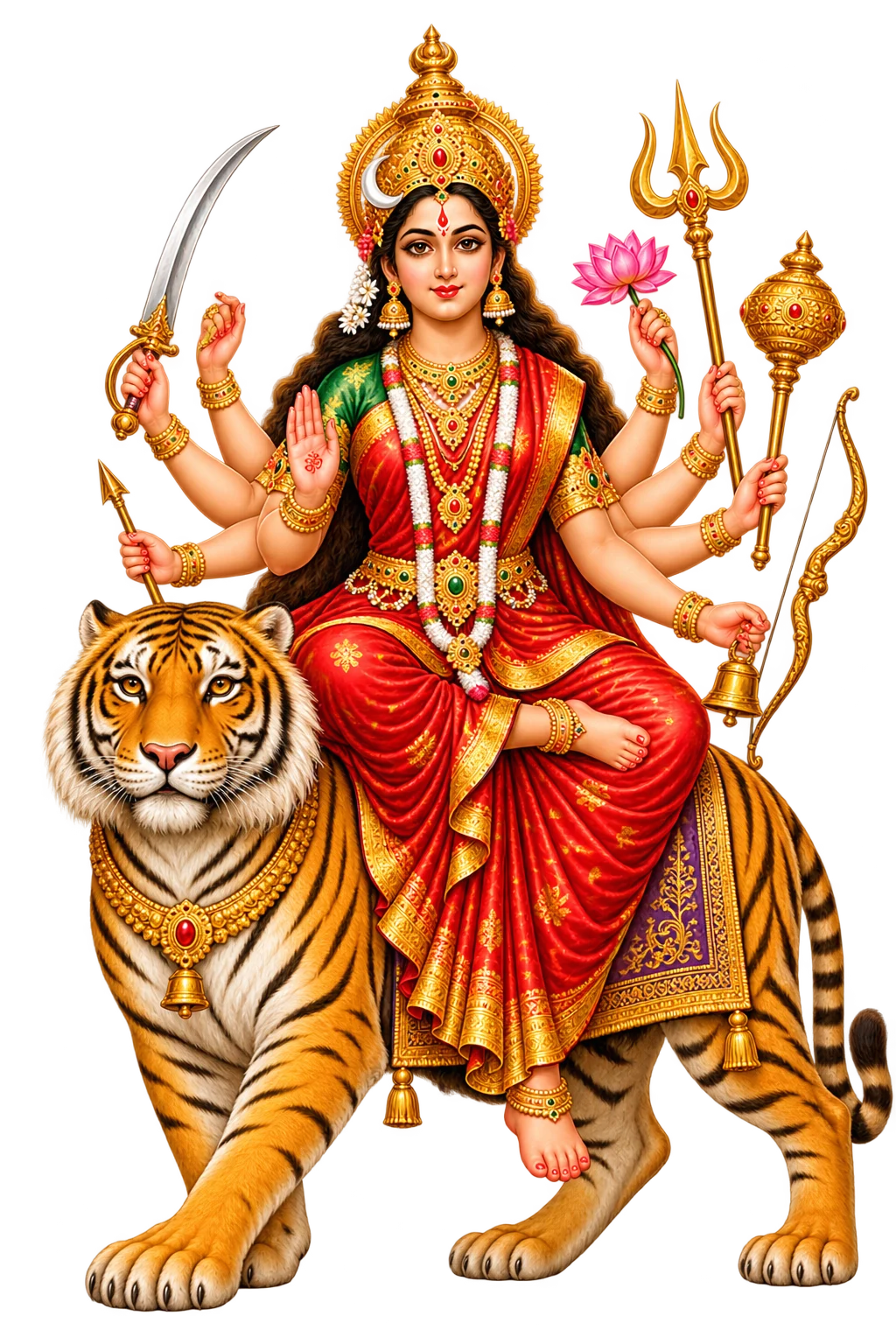
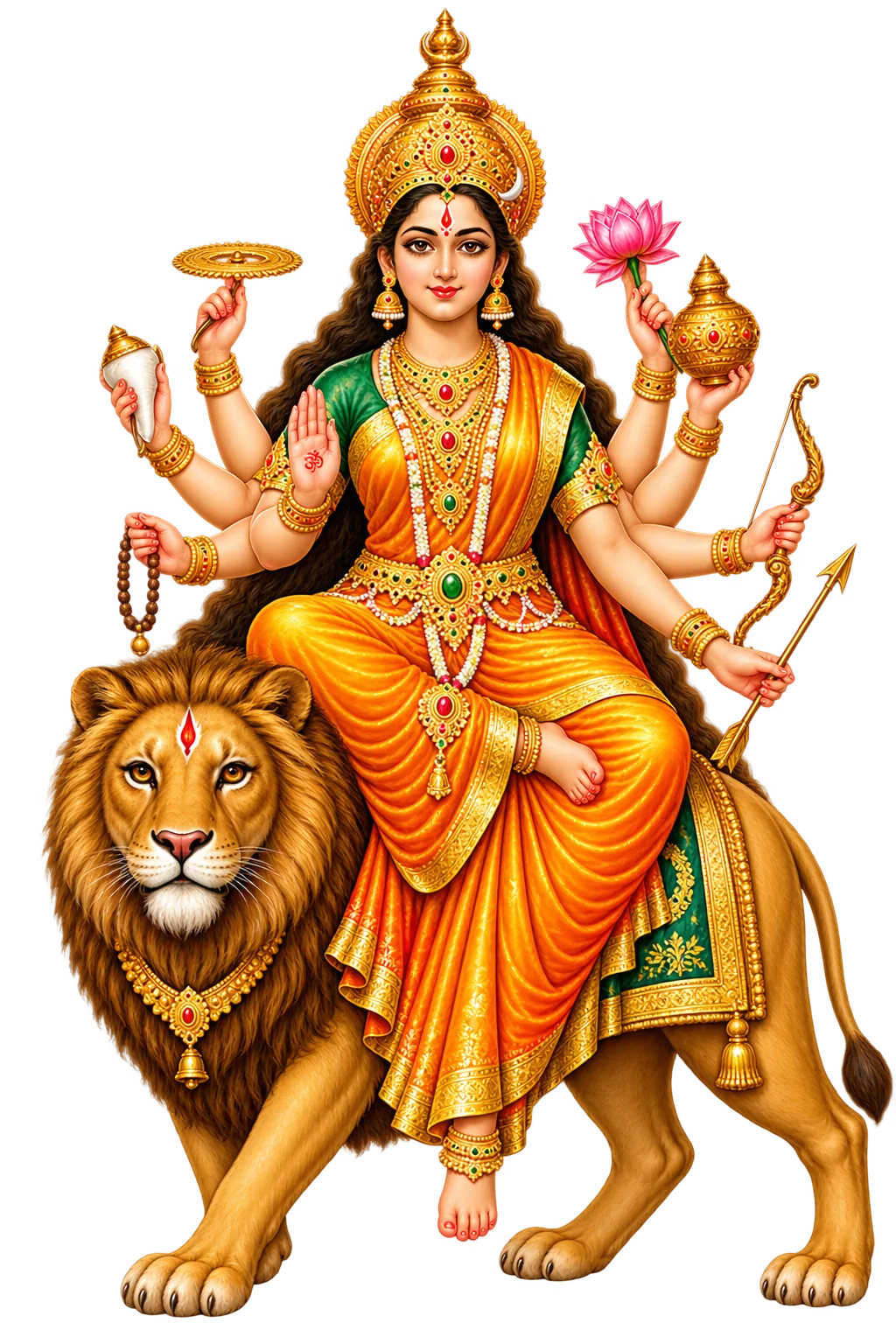
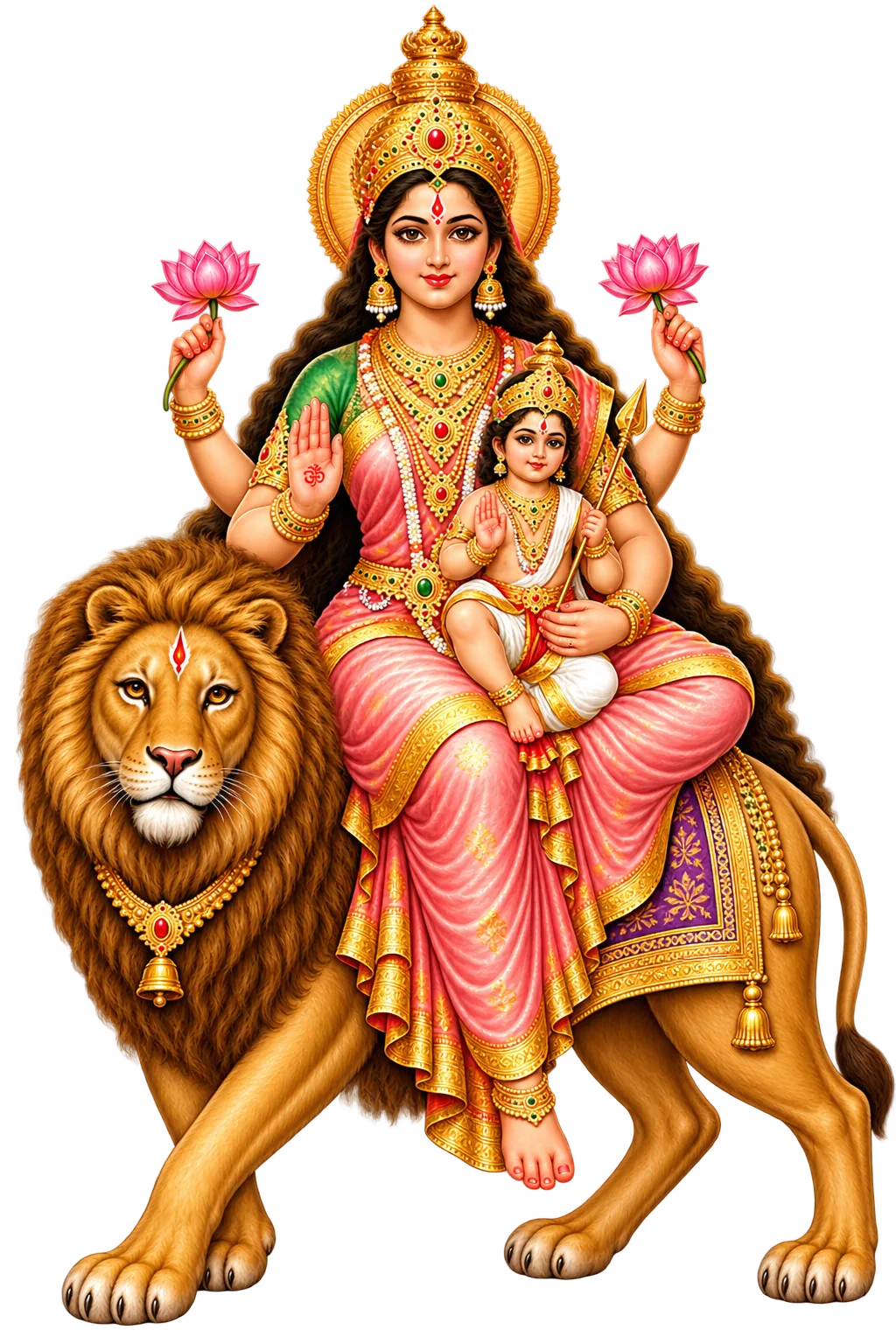
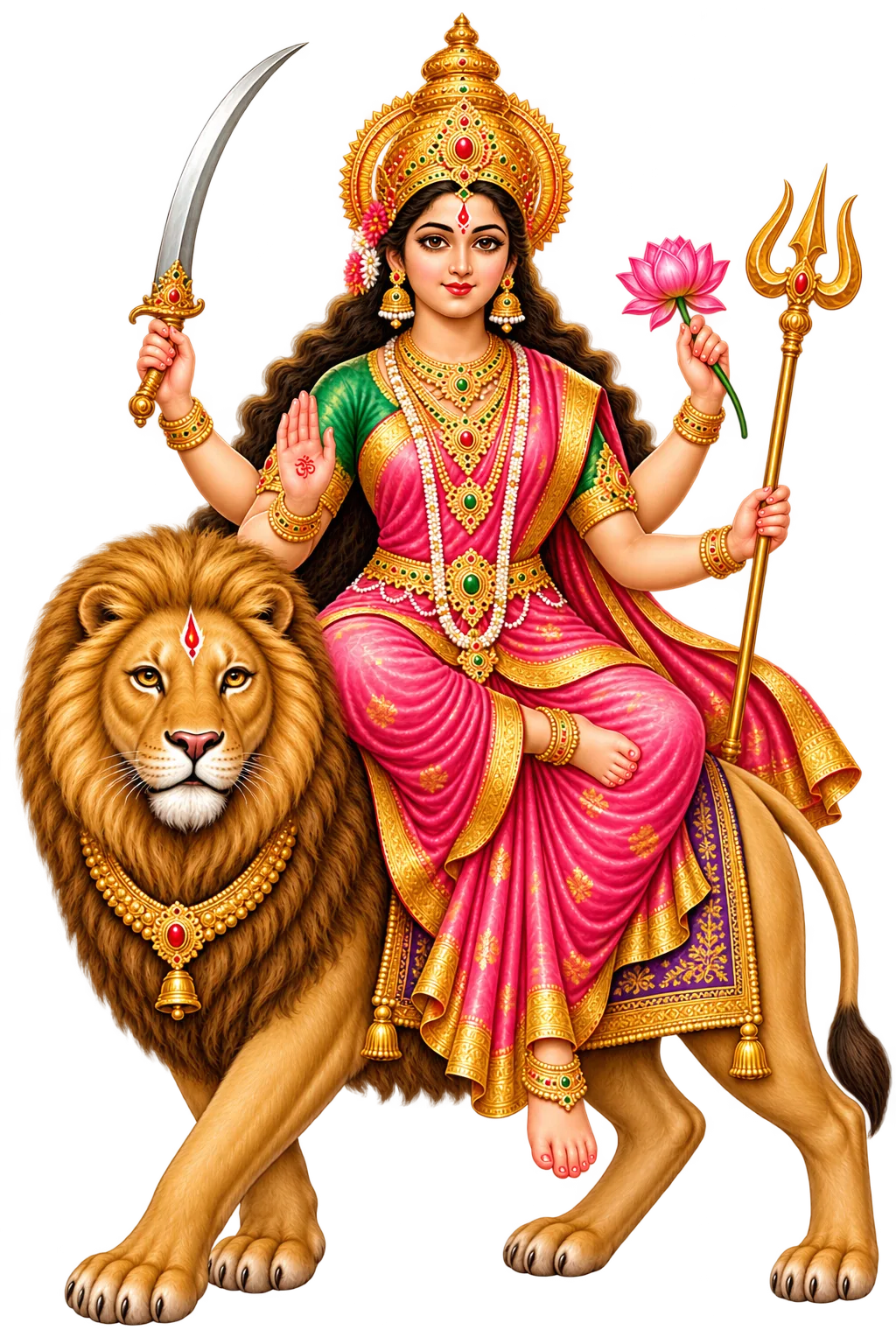
Special puja, aarti & mantra chanting for each divine swaroop every day.
Progressive inner purification leading to mental peace and spiritual strength.
Receive Maa's compassionate grace, protection from negativity, and prosperity.
High-definition video recordings of your Sankalp sent directly to WhatsApp.
Join thousands of devotees worldwide connecting with Nalkheda Siddhapeeth.
Worship 9 Forms • Personalized Gotra Sankalp • Experience Infinite Blessings
Authentic guidance from Peeth Purohits regarding Day 5 Navratri Puja vidhi, remote Sankalp, and prasad delivery.
Our senior Peeth Purohits are here to guide your personalized Vedic Sankalp.
Offer your personalized Gotra Sankalp at Nalkheda Siddhapeeth. Step into the nine holy nights with divine protection, clarity, and victory.
Maa Skandamata Puja, Maa Baglamukhi Puja, Havan and related rituals are traditional spiritual and devotional practices.
The information provided on this page is intended for religious, cultural and informational purposes. Spiritual practices should not be considered a substitute for professional medical, legal, financial or psychological advice.
We do not guarantee specific worldly outcomes, including court-case results, financial gains, employment outcomes, relationship outcomes or the actions of another person.
Puja dates and Muhurat can vary according to location and Panchang. Confirm the final ritual timing and booking details before proceeding.